Veterans' Resilience: A Journey of Hope and Healing
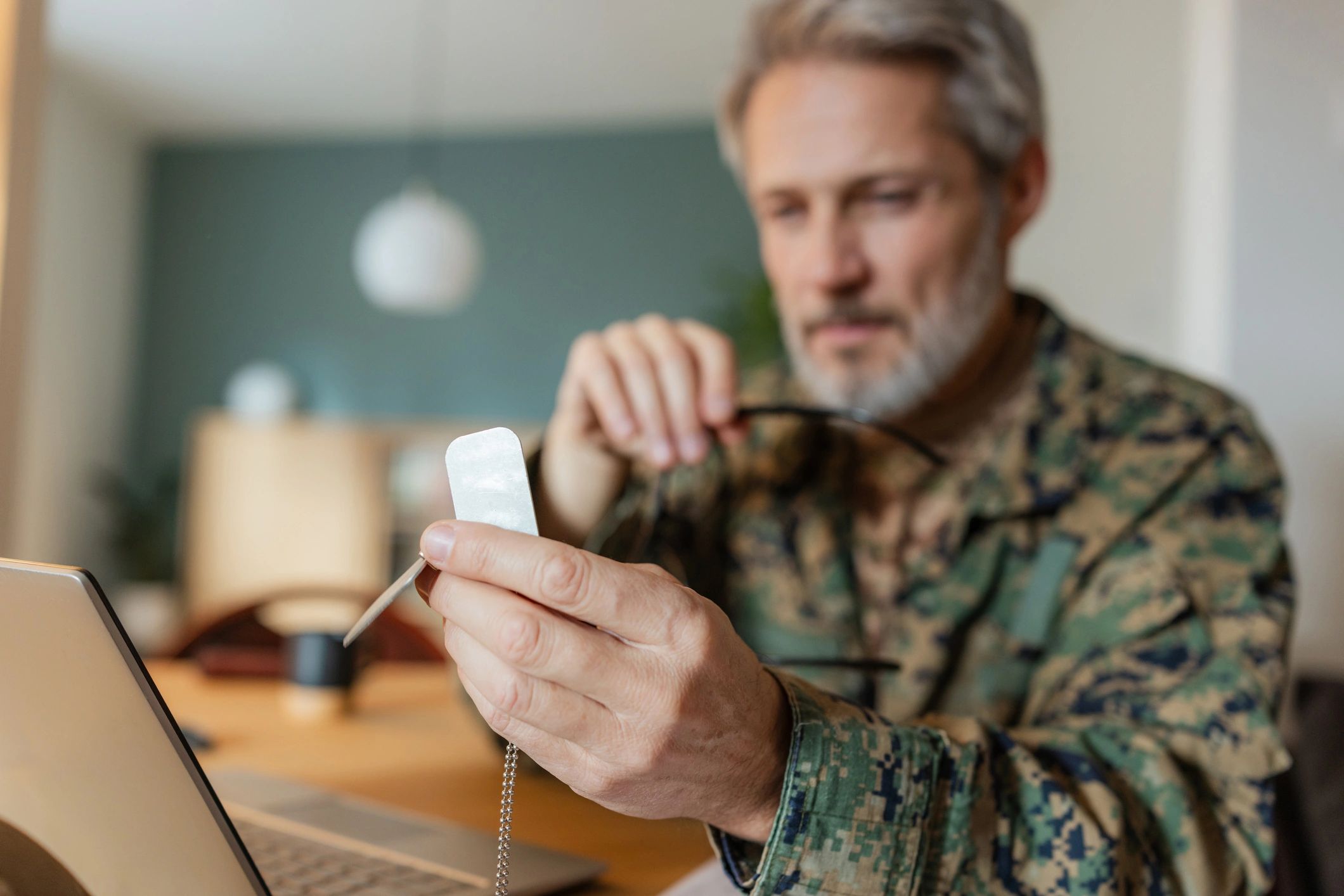
Introduction: The Hidden Wounds of War
Every day, 22 veterans in the United States take their own lives, an alarming statistic that underscores a national crisis. Beyond the visible injuries of combat lie the invisible wounds: post-traumatic stress disorder (PTSD), depression, anxiety, and the profound sense of isolation that often follows military service. These silent battles continue long after the last deployment, affecting not only the veterans themselves but also their families and communities. This article explores the journey of veteran resilience, highlighting pathways to healing, the power of peer support, and initiatives making a difference.
The Crisis of Veteran Suicide
The statistic of 22 veterans dying by suicide each day is more than a number, it's a national emergency that demands attention and action. This figure, frequently cited by organizations like the U.S. Department of Veterans Affairs, reflects systemic challenges in mental health care access, stigma surrounding help-seeking, and the difficulty of transitioning from military to civilian life. While recent studies suggest the rate may fluctuate, the core issue remains: veterans face unique psychological challenges that require specialized support.
Contributing factors include combat trauma, moral injury, the loss of military camaraderie, and difficulties adjusting to civilian routines. Many veterans hesitate to seek help due to fears of being perceived as weak or concerns about career repercussions. Addressing this crisis requires a multifaceted approach that prioritizes early intervention, accessible care, and community-driven solutions.
The Healing Power of Nature and Community
For many veterans, traditional therapy alone doesn't address the deep emotional and psychological wounds. This is where complementary approaches like outdoor therapy and peer support groups become vital. Nature-based programs, such as those offered by Soldiers Freedom Outdoors, provide a unique healing environment where veterans can reconnect with themselves and each other.
Spending time in nature reduces cortisol levels, improves mood, and fosters mindfulness. Group activities like hiking, fishing, or camping create opportunities for bonding without the pressure of direct conversation. In these settings, healing often happens organically, as laughter returns, stories are shared around a campfire, and a sense of belonging is restored.
These programs emphasize that no veteran has to walk the path alone. Peer support, where those who've walked the path help others, proves incredibly effective because it's rooted in shared experience and mutual understanding.
Soldiers Freedom Outdoors: A Sanctuary for Healing
Organizations like Soldiers Freedom Outdoors play a critical role in addressing veteran mental health. Designed as a retreat for veterans struggling with PTSD and other invisible wounds, such programs offer structured, therapeutic activities in a supportive environment. They're not about "fixing" veterans but about creating spaces where healing can begin on their own terms.
These sanctuaries often incorporate evidence-based practices like cognitive processing therapy, mindfulness training, and adventure therapy. More importantly, they foster a culture of acceptance, where veterans can express vulnerability without judgment. The goal isn't just symptom reduction, it's empowerment, purpose rediscovery, and the reclamation of identity beyond the label of "survivor."
Raising Awareness Through Action: The Coast-to-Coast Ride
Awareness campaigns like my 2025 coast-to-coast ride served multiple purposes. First, it drew public attention to the veteran suicide crisis, challenging misconceptions and encouraging national dialogue. Second, it symbolize perseverance, each mile ridden represents resilience and hope.
These initiatives often partner with mental health organizations, raising funds for therapeutic programs while amplifying their message. For me, the journey itself became transformative: physical challenge mirrors emotional struggle, and the support of my wife reinforces the core message "You are not alone."
FAQ: Understanding Veteran Mental Health
What are common misconceptions about veteran mental health?
Many believe that all veterans have PTSD or are unstable, neither is true. While some struggle with mental health conditions, millions serve successfully in civilian life. Another myth is that seeking help is a sign of weakness, when in fact, it's one of the bravest decisions a veteran can make.
How can civilians support veterans struggling with mental health?
Start by listening without judgment. Encourage connection rather than isolation. Suggest resources like the Veterans Crisis Line (988 then press 1) or peer support networks. Avoid pushing advice; instead, offer presence and patience.
Is the 22-a-day suicide statistic still accurate?
This figure comes from VA studies covering specific years and may vary over time. However, it remains a powerful symbol of the ongoing crisis and the urgent need for better mental health resources.
What role does camaraderie play in veteran healing?
Camaraderie is essential. The military bond is unique, built on trust and shared sacrifice. Rebuilding that sense of community in civilian settings, whether through veteran groups or outdoor programs, provides vital emotional support.
How effective are nature-based therapies for veterans?
Multiple studies show that nature-based interventions reduce PTSD symptoms, improve sleep, and enhance emotional regulation. The combination of physical activity, natural beauty, and group dynamics creates a powerful therapeutic milieu.
Conclusion: A Call to Compassion and Action
The journey from trauma to resilience is not linear, but it is possible. Every veteran struggling with invisible wounds deserves access to compassionate, effective care. By supporting organizations like Soldiers Freedom Outdoors, participating in awareness campaigns, and fostering inclusive communities, we can turn the tide on veteran suicide.
If you or a veteran you know is in crisis, reach out. The Veterans Crisis Line offers 24/7 confidential support at 988 then press 1. Remember, healing begins with connection, and no one has to walk the path alone.
